
Why AI Agents Are Replacing Traditional
Business Automation in 2026
Artificial Intelligence has evolved far beyond simple chatbots and rule-based automation. In 2026, businesses are embracing a new generation of intelligent systems known as AI Agents. Unlike traditional automation tools that follow predefined workflows, AI agents can understand context, make decisions, communicate naturally with customers, and continuously improve their performance.
What Makes AI Agents Different?
Traditional business automation focuses on completing repetitive tasks. For example, sending an email after someone fills out a form or updating a CRM when a customer makes a purchase. AI agents go much further.
They can:
- Answer customer questions naturally
- Handle phone conversations
- Book appointments
- Qualify leads
- Follow up automatically
- Understand customer intent
- Escalate complex situations to human staff
- Learn from previous interactions
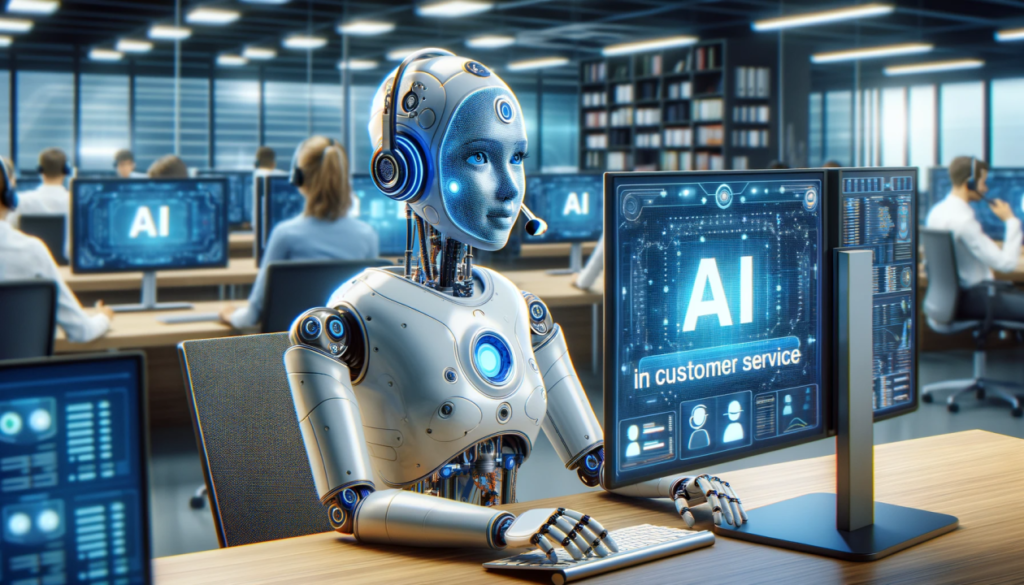
Instead of simply following rules, AI agents behave like intelligent digital employees that work 24/7 without breaks.

Why Businesses Are Moving Beyond Traditional Automation
Traditional automation solved many problems, but it also created new limitations.
Many businesses still struggle with:
- Missed customer calls after business hours
- Delayed responses to website inquiries
- Manual appointment scheduling
- Staff spending hours answering repetitive questions
- Lost leads due to slow follow-up
These problems directly impact revenue.
Customers today expect immediate responses. If they cannot reach your business within minutes, they’ll often contact a competitor instead.
AI agents eliminate this issue by responding instantly across multiple communication channels.
Whether someone calls your business at midnight or sends a message during the weekend, an AI-powered system can engage immediately.
AI Receptionists Are Becoming the New Front Desk
One of the fastest-growing AI applications is the intelligent AI receptionist.
Instead of sending callers to voicemail, AI receptionists answer calls professionally, understand customer requests, answer common questions, and even schedule appointments.
For businesses such as dental clinics, legal firms, medical practices, salons, and home service providers, this means no valuable lead is ever lost simply because staff members were unavailable.
If you’re looking to automate customer communication, explore Symagentic’s AI Receptionist Services.


Intelligent Business Process Automation
Automation is no longer limited to customer support.
Organizations are using AI to streamline internal operations including:
- HR workflows
- Employee onboarding
- Lead qualification
- Document processing
- Customer onboarding
- Financial operations
- Internal approvals
Instead of employees manually transferring data between systems, AI agents handle repetitive administrative work automatically.
Businesses implementing intelligent automation often experience:
- Faster response times
- Lower operating costs
- Improved employee productivity
- Better customer experiences
- Increased lead conversion
Learn more about Symagentic’s Business Process Automation Services.
Industries Seeing the Biggest Impact
AI agents are delivering measurable results across many industries.
Healthcare: Medical clinics use AI receptionists for appointment scheduling, patient reminders, intake forms, and after-hours support.
Legal Services: Law firms automate client intake, qualify potential cases, and respond immediately to new inquiries.
Salons & Wellness: Beauty businesses reduce no-shows through automated reminders while allowing customers to book appointments 24/7.
Home Services: HVAC companies, electricians, and plumbing businesses capture emergency inquiries immediately instead of losing calls after hours.
Professional Services: Accounting firms, consultants, and agencies automate client communication and lead nurturing.
The common goal across all these industries is simple: reduce repetitive work while improving customer service.