
From AI Chatbots to AI Agents: How Businesses Are Automating Complete Workflows in 2026
Artificial intelligence is entering a new phase in 2026. Businesses are moving beyond basic AI chatbots that simply answer questions and are beginning to adopt AI agents that can actually take action. Instead of only responding to a customer, an AI agent can understand a request, make decisions based on predefined business rules, interact with connected systems, and complete multiple steps of a workflow.
What Is the Difference Between an AI Chatbot and an AI Agent?
A traditional chatbot is primarily designed to communicate. A visitor asks a question, and the chatbot provides an answer based on its available information. This can be extremely useful for customer support and lead generation, but the interaction often stops there.
An AI agent goes a step further. It can understand what the customer wants and take action to achieve the desired outcome. For example, instead of simply telling a customer that appointments are available on Friday, an AI agent can check the business calendar, identify an available time, collect the customer’s information, book the appointment, and send a confirmation.
This difference changes the role of AI from a digital assistant that provides information into a digital worker that helps complete business processes. Modern agentic systems can combine reasoning, tools, workflows, and integrations to perform tasks that previously required several manual steps.
Why AI Agents Are Becoming Important for Businesses
Customer expectations have changed dramatically. People expect businesses to respond quickly, regardless of whether they contact them during normal working hours or late at night. A potential customer who submits an inquiry today may not wait until tomorrow for someone to respond. They may simply contact another company.
This is where AI agents can create a significant advantage. An intelligent system can respond immediately, qualify the inquiry, answer common questions, and move the customer toward the next step without waiting for an employee to become available.
Symagentic’s approach is built around solving these practical business problems. Its AI solutions include voice receptionists, website chatbots, appointment booking, lead follow-up, document processing, and other automation systems designed around specific business workflows.
AI Agents Can Turn Missed Calls Into New Opportunities
Phone calls remain extremely important for many service businesses, including dental practices, law firms, salons, HVAC companies, and home service providers. Unfortunately, employees cannot answer every call. They may already be speaking with another customer, working with a client, or simply be unavailable outside business hours.
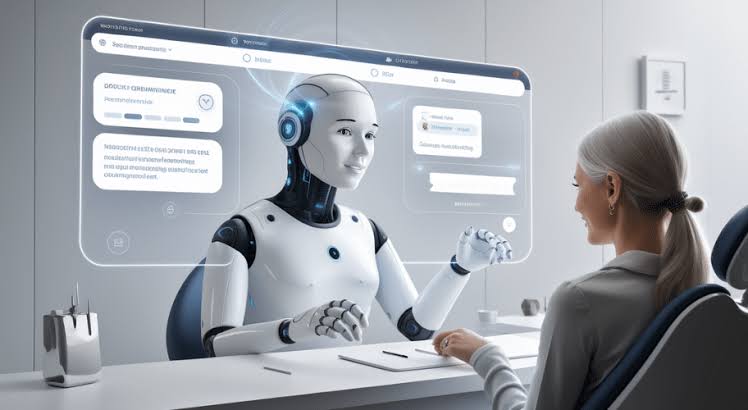
An AI voice agent can answer calls automatically and handle common customer requests. It can provide information, assist with appointment booking, qualify leads, and escalate conversations when human involvement is necessary.
Symagentic’s AI Voice Agent and Receptionist Solutions are designed to help businesses capture these opportunities. The company’s website describes AI voice receptionists that can answer calls, assist with bookings, handle standard questions, and provide missed-call text-back functionality.
This means a missed call does not necessarily have to become a lost customer. Instead, automation can immediately begin the conversation and guide the prospect toward an appropriate next step.
AI Lead Follow-Up Can Keep Prospects Engaged
Getting a new lead is only the beginning. The speed and consistency of follow-up can have a major impact on whether that lead eventually becomes a customer.
Unfortunately, manual follow-up is easy to delay. A salesperson may intend to call someone back in ten minutes but become busy with another task. By the time the follow-up happens, the prospect may have already contacted a competitor.
AI agents can automate this part of the customer journey. A new inquiry can trigger an immediate response, followed by qualifying questions and additional communication when appropriate. Leads that are ready to speak with a person can be routed to the team, while prospects who are not ready can continue receiving appropriate follow-up.
Symagentic’s AI Lead Follow-Up & Customer Nurturing solutions are designed around this type of workflow, helping businesses respond to new inquiries and maintain conversations without requiring employees to manually track every prospect.
Appointment Booking Can Become a 24/7 Process
Appointment scheduling is another area where AI agents can eliminate unnecessary administrative work. Traditional booking often requires customers to call, wait for a response, exchange several messages, and confirm a suitable time.
An AI-powered booking system can make the process much simpler. Customers can request an appointment, receive available options, select a suitable time, and receive confirmation automatically. Reminder messages can then be sent before the appointment, reducing the possibility of forgotten bookings.
This can be particularly valuable for businesses where appointments directly affect revenue. A schedule with fewer empty slots and fewer no-shows can translate into better utilization of existing capacity without requiring additional staff.
Symagentic’s AI appointment booking and reminder solutions are designed to automate scheduling, confirmations, reminders, and related customer communication.

AI Agents Can Connect Multiple Business Processes
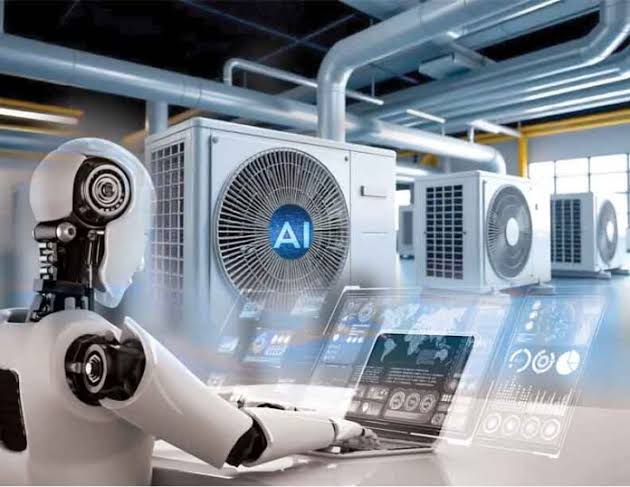
The biggest opportunity with agentic AI is not necessarily automating one task. It is connecting multiple tasks into a single workflow.
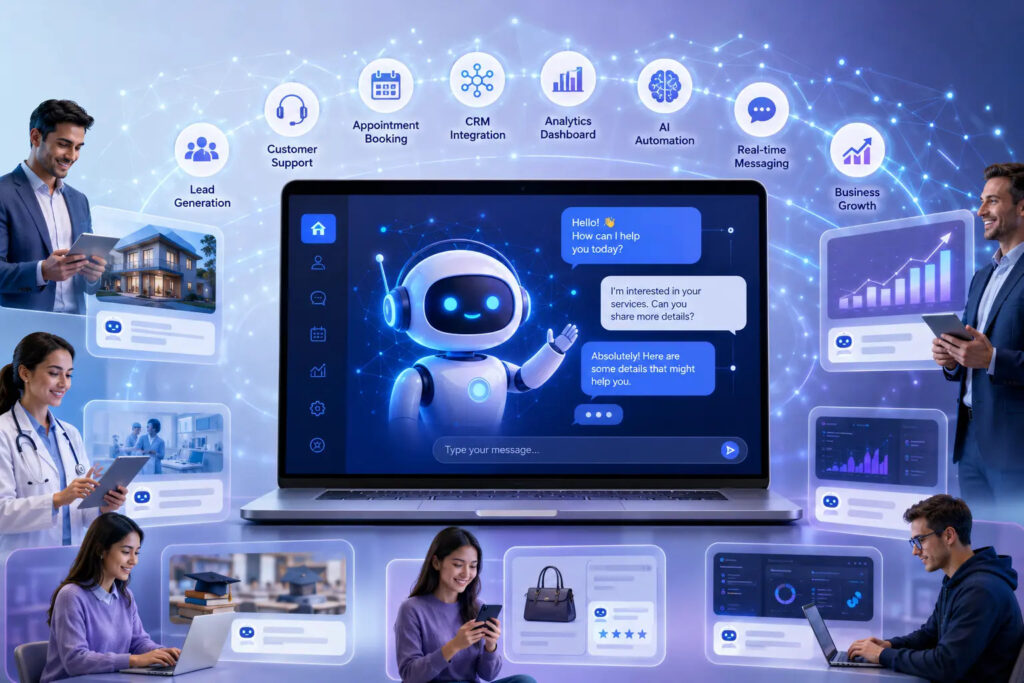
Consider a potential customer searching for a local service late at night. An AI chatbot could answer their initial questions. An AI lead system could collect and qualify their information. An AI voice agent could handle a phone conversation if the customer calls. An appointment system could schedule the service. Automated reminders could then keep the customer informed.
What previously required several separate interactions can become one connected customer journey.
This is where Business Process Automation Services become particularly valuable. Instead of simply adding another software tool to a business, automation can be designed around the company’s existing processes and systems. Symagentic describes its business process automation approach as custom-built around specific workflows rather than relying solely on off-the-shelf solutions.
The Future of Business Automation Is Agentic
AI is moving beyond systems that simply generate text or answer questions. The next generation of business automation is increasingly focused on systems that can understand objectives, interact with business tools, and complete workflows.
For businesses, this creates an opportunity to operate more efficiently without continuously increasing administrative overhead. AI agents can answer customers, qualify leads, schedule appointments, follow up with prospects, and support employees while the human team concentrates on higher-value responsibilities.
As agentic AI continues developing throughout 2026, the businesses that benefit most will not necessarily be those using the most advanced technology. They will be the organizations that identify real operational problems and apply AI where it can produce measurable results.